



















































When everything works well, no one notices. That’s the point.
A safe system doesn’t stand out by how often it intervenes, but by how well it prevents. Whether we’re talking about an individual home or a gas distribution network, safety is built through invisible decisions: a gas sensor that can tell the difference between perfume and a real leak. A platform that detects pressure drops hours or days before they become an issue. An enclosure that lets signals travel freely where they need to go.
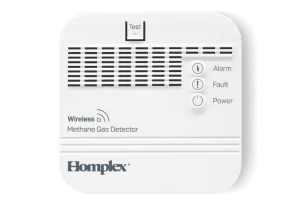
Gas detectors: safety isn’t about sound – it’s about precision
An effective gas detector isn’t measured in decibels but in its ability to respond only when necessary. The key is distinguishing between a real threat and a harmless situation. A false alarm triggered by alcohol vapors, perfume, or cleaning agents not only causes inconvenience but also erodes trust in the system.
The sensors integrated into modern gas detectors are calibrated in compliance with the SR EN 50194 standard, ensuring early detection of gas leaks before reaching hazardous levels.
In practice, a false alarm can shut off the gas in the middle of cooking, disrupt routines, and require a manual valve reset. A quality detector not only minimizes such incidents but offers long-term, reliable operation without frequent maintenance.
Smart metering: data becomes part of safety
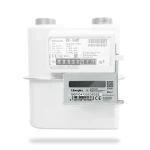
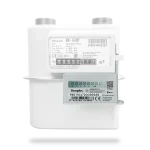
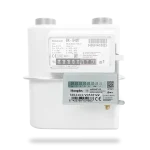
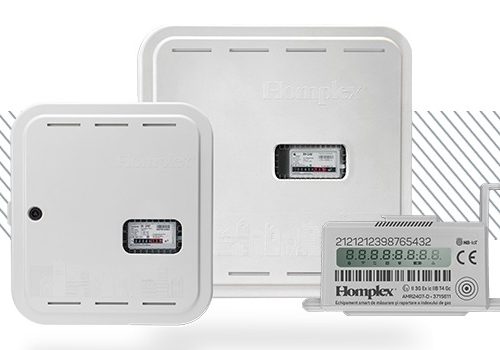
Smart metering is often viewed as a comfort or efficiency upgrade, but it plays a critical role in operational safety for both buildings and utility networks.
A sudden spike in consumption can indicate a gas leak in a hidden part of the installation. A drop in pressure may suggest damage or unauthorized interference. And a lack of transmitted data can point to a malfunction that, if unresolved, could escalate into serious risk or loss.
Modern smart metering systems provide real-time monitoring, automated alerts, comparative analysis, and instant visibility of anomalies. This continuous observation turns data into a prevention tool – not just a billing instrument.
In networks where digitalization is still partial, like in many parts of Romania, smart metering solutions can be implemented quickly, without major overhauls, but with clear benefits: fewer losses, faster interventions, and better control.
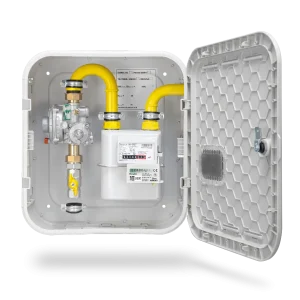
Composite enclosures ensure connectivity and safe access
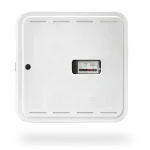
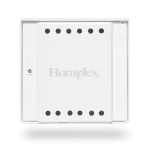
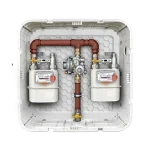
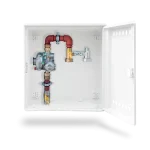
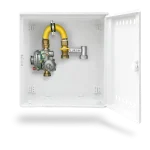
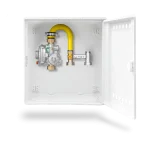
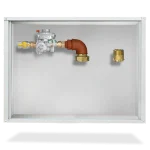
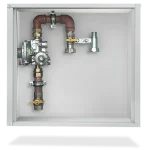
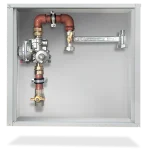
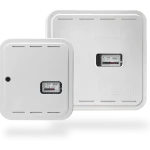
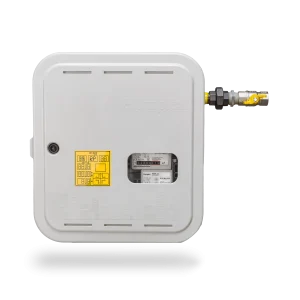
Most of the time, the enclosure housing the gas meter is seen as just a box. In reality, the material choice directly affects system performance. If the enclosure is metal, NB-IoT signals are distorted, weakened, or blocked entirely. This effect – known as the Faraday cage – can lead to missing readings, repeated site visits, or failed device communication.
Composite materials, on the other hand, allow signals to pass freely. A fiberglass-reinforced polymer combines high electromagnetic transparency with mechanical durability. Plus, it doesn’t rust, deform under temperature changes, and is lightweight – all of which ease installation and reduce operational costs.
For modern projects, where device communication is critical and reliability matters more than component price, a composite enclosure becomes a strategic element. Not just a box. A system component.
Safety isn’t just for show. It’s quiet, but solid architecture.
A well-designed safety system doesn’t draw attention or make noise. It works silently, day after day. Through detectors that alert precisely when needed, through data that signals problems early, and through enclosures that don’t block system functionality.
Real safety doesn’t come from complexity. It comes from clear, integrated decisions – proven in the field.
For professionals designing, installing, or managing buildings and networks, these choices aren’t optional. They are the foundation of trust.


No Comments yet!