


















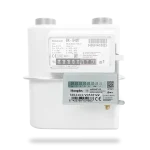


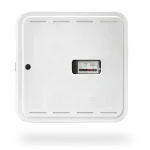
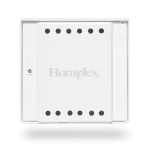


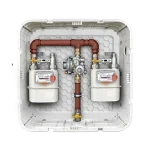


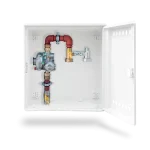
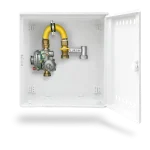
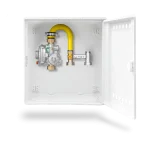
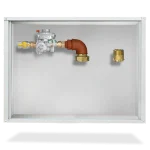
























In an increasingly connected world, modernizing energy infrastructure is about more than just installing new meters. It means ensuring that these devices can communicate efficiently with the systems around them—transmitting real-time consumption data, flagging anomalies, and enabling fast interventions without unnecessary field visits.
The technology that makes this possible is called NB-IoT (Narrowband Internet of Things)—a radio solution developed specifically for fixed devices, offering low energy consumption and extended coverage, even in areas with weak signal.
However, there’s one seemingly minor detail that can cancel out all these benefits: the enclosure in which the meter is installed.
Metal as an Invisible Barrier
Many smart meters are housed in metal enclosures—a seemingly logical choice, but one that can cause major issues. Metal blocks radio signals due to the Faraday cage effect, meaning signals cannot properly enter or exit the enclosure. The result? The NB-IoT module inside can no longer communicate reliably. The system is physically in place, but its functionality is severely compromised: data doesn’t reach the operator, and the entire smart metering logic breaks down.
Ad-Hoc Fixes, Long-Term Problems
To “rescue” connectivity in such cases, installers often turn to workarounds: adding external antenna paths, relocating modules outside the enclosure, or partially reverting to manual readings.
These options increase installation costs, complicate maintenance, and introduce new vulnerabilities—from vandalism to weather exposure. On a large scale, they pose a real obstacle to efficient digitalization.
A Simple, Functional Approach: NB-IoT Compatible Enclosures
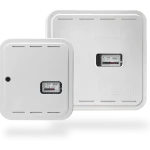
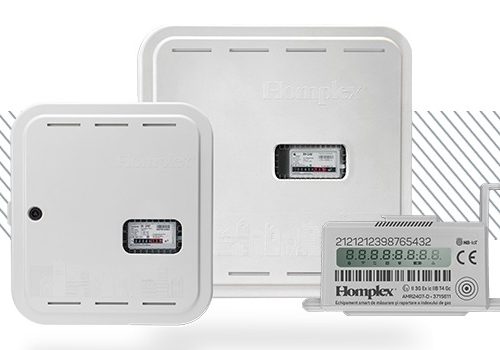
The solution doesn’t lie in upgrading the modem—it lies in choosing the right enclosure. Composite materials, such as fiberglass-reinforced polymers, are known for their electromagnetic transparency. In simple terms, they don’t block NB-IoT signals.
What does this mean in practice?
- Signal flows freely, without interruptions
- No need for external antennas or complex installations
- Systems are easier to install and operate more reliably
- Fully compatible with existing smart equipment on the market
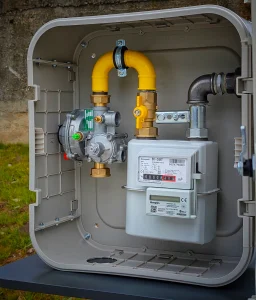
More and more technical guidelines and regulations across Europe clearly recommend avoiding metal enclosures in applications that use radio transmissions.
In the United Kingdom, smart meter installation guidelines emphasize that these devices should not be installed in metal boxes, in order to ensure reliable wireless communication.
In Germany, the national network authority (Bundesnetzagentur) systematically reports a huge number of radio interference incidents—in 2006 alone, over 500,000 calls were recorded from citizens and companies regarding radio-related issues, many of them caused by electromagnetic compatibility problems and metallic structures—significant factors that affect the implementation of digital infrastructure. In specialist forums, metal boxes are frequently described as “signal traps”—even when they are not fully enclosed.
Recommendations for Effective Implementation
Smart metering is not just about high-performance devices, but also about the context in which they operate.
And a seemingly trivial enclosure can determine whether a system is “smart” only on paper or also in practice.
Without signal, smart metering remains just a good idea.


No Comments yet!