













































A Quiet but Costly Problem
Natural gas losses remain one of the most persistent yet underestimated challenges in energy infrastructure. These leaks rarely trigger alarms or draw immediate attention, but their impact is substantial—reducing network efficiency, causing significant financial losses, and contributing to methane emissions. On a short-term scale, methane has over 80 times the global warming potential of carbon dioxide.
These losses are often difficult to detect without advanced monitoring systems. They are exacerbated in aging networks, hard-to-reach areas, or where substandard materials are used.
What the Data Reveals
In a recent study conducted in Pakistan, approximately 17% of the distributed natural gas was lost annually through the network. By implementing monitoring and maintenance measures, the loss rate was reduced to 14.26% (ScienceDirect, 2024). In Europe, the International Energy Agency (IEA) estimates that distribution networks are responsible for around 11% of all methane emissions from fossil fuels (Wikipedia – Methane emissions).
Why Losses Often Go Unnoticed
The most problematic leaks are not the dramatic ones—but the slow, continuous emissions from hidden or inaccessible points in the system. A single loose joint or poorly fitted connector can release gas for weeks or months without detection.
In conventional networks where metering occurs monthly, such losses can remain invisible for over 30 days. During that time, gas may accumulate in confined areas or escape unnoticed into the atmosphere, resulting in both financial and safety risks.
Intelligent Monitoring: From Reaction to Prevention
Modern smart metering systems offer a fundamental shift in how consumption data is collected and interpreted. With automated hourly readings, operators gain near real-time visibility over network performance. Sudden pressure drops or consumption anomalies can be quickly identified and addressed, long before they turn into critical incidents.
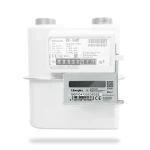
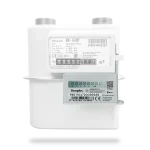
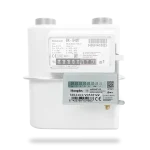
These systems rely on automated readers installed on gas meters, transmitting data to an online platform that can be accessed via cloud or local server. Monitoring becomes proactive and data-driven—allowing operators to detect trends, compare seasonal variations, and prioritize interventions more efficiently.
Technical Compatibility: A Critical Detail
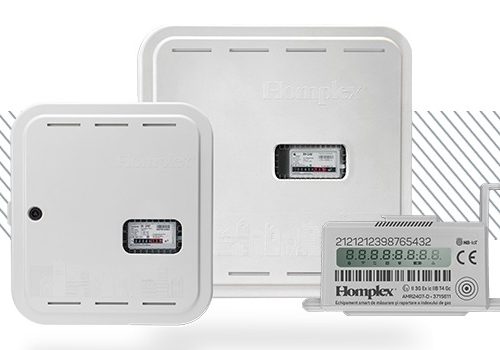
No matter how advanced the monitoring technology is, its performance depends heavily on the physical environment. Radio signals can be disrupted or blocked entirely if the meter is installed in a metal enclosure or poorly shielded housing.
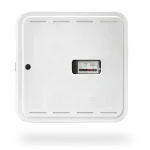
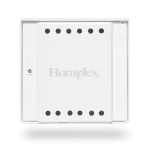
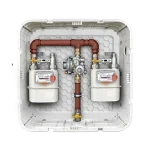
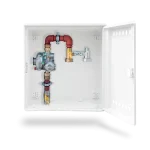
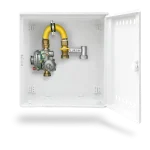
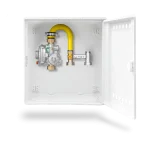
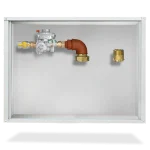
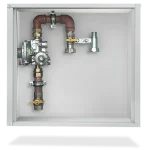
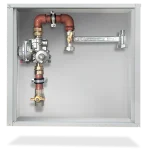
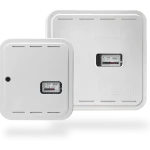
Composite meter boxes provide an optimal solution. Unlike metal housings, they do not interfere with RF transmissions, while offering sufficient mechanical protection and weather resistance. They are also easier to install and maintain, making them a pragmatic choice for both residential and industrial applications.
Reducing Joint Losses: The Role of High-Quality Fittings
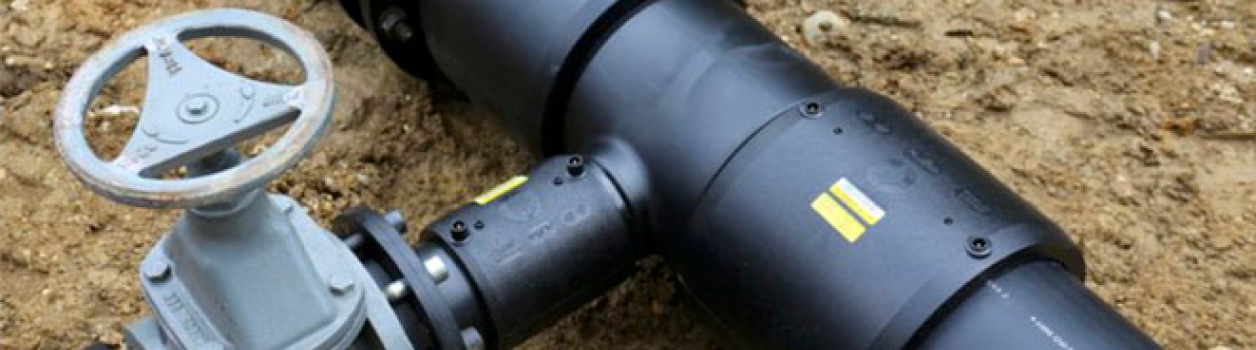
Joints are one of the most common sources of gas loss—especially when built with poor-quality fittings. Micro-cracks, deformation, and long-term stress can all contribute to steady, undetected leakage.
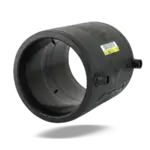
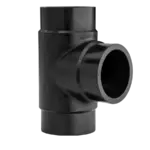
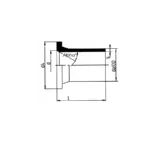
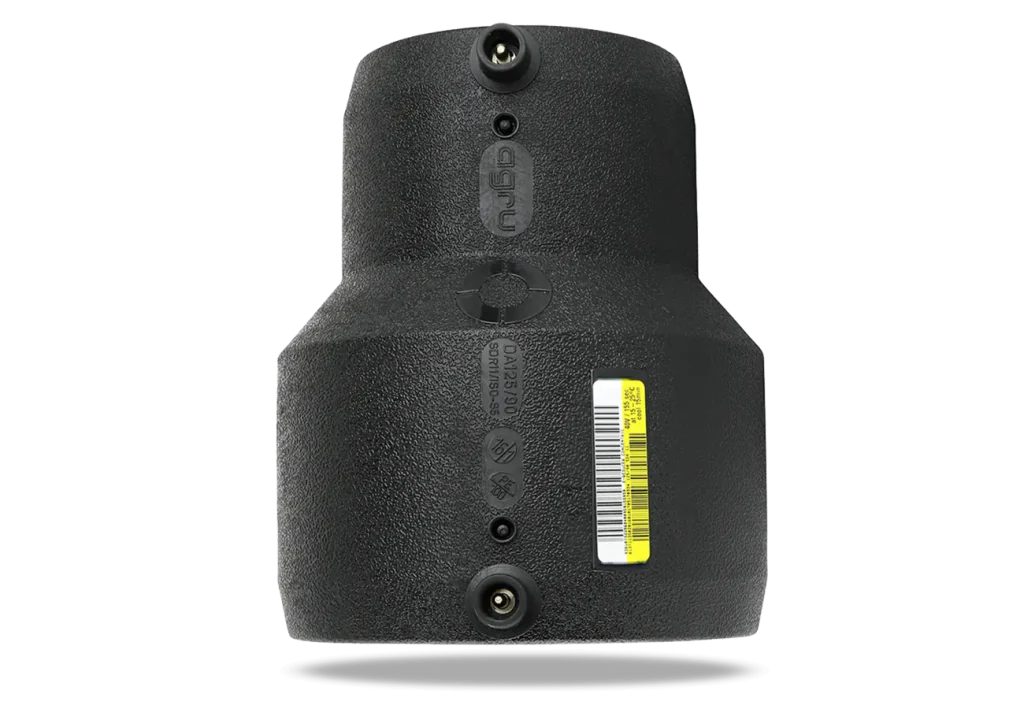
Using durable, high-performance fittings such as those manufactured by AGRU, made from PE100-RC polyethylene, significantly reduces these risks. Their resistance to stress cracking and their proven durability in complex infrastructure projects make them a reliable solution for long-term performance.
Field Lessons
In Greece, a nationwide modernization program that introduced smart metering systems led to a 3.9% reduction in total consumption and distribution losses, according to Ekathimerini. This example highlights the measurable impact of combining technology with suitable infrastructure materials.
From Hidden Costs to Intelligent Control
Gas losses are no longer an acceptable operational expense—they are a clear signal of inefficiencies and latent safety issues within a network. Fortunately, the tools to detect and address them already exist.
By integrating hourly smart metering with RF-compatible composite boxes and using reliable PE100-RC fittings, network operators can transition from passive infrastructure to an intelligent, predictive system. The result: fewer losses, better safety, and improved operational efficiency.


No Comments yet!