









































Low price, hidden cost
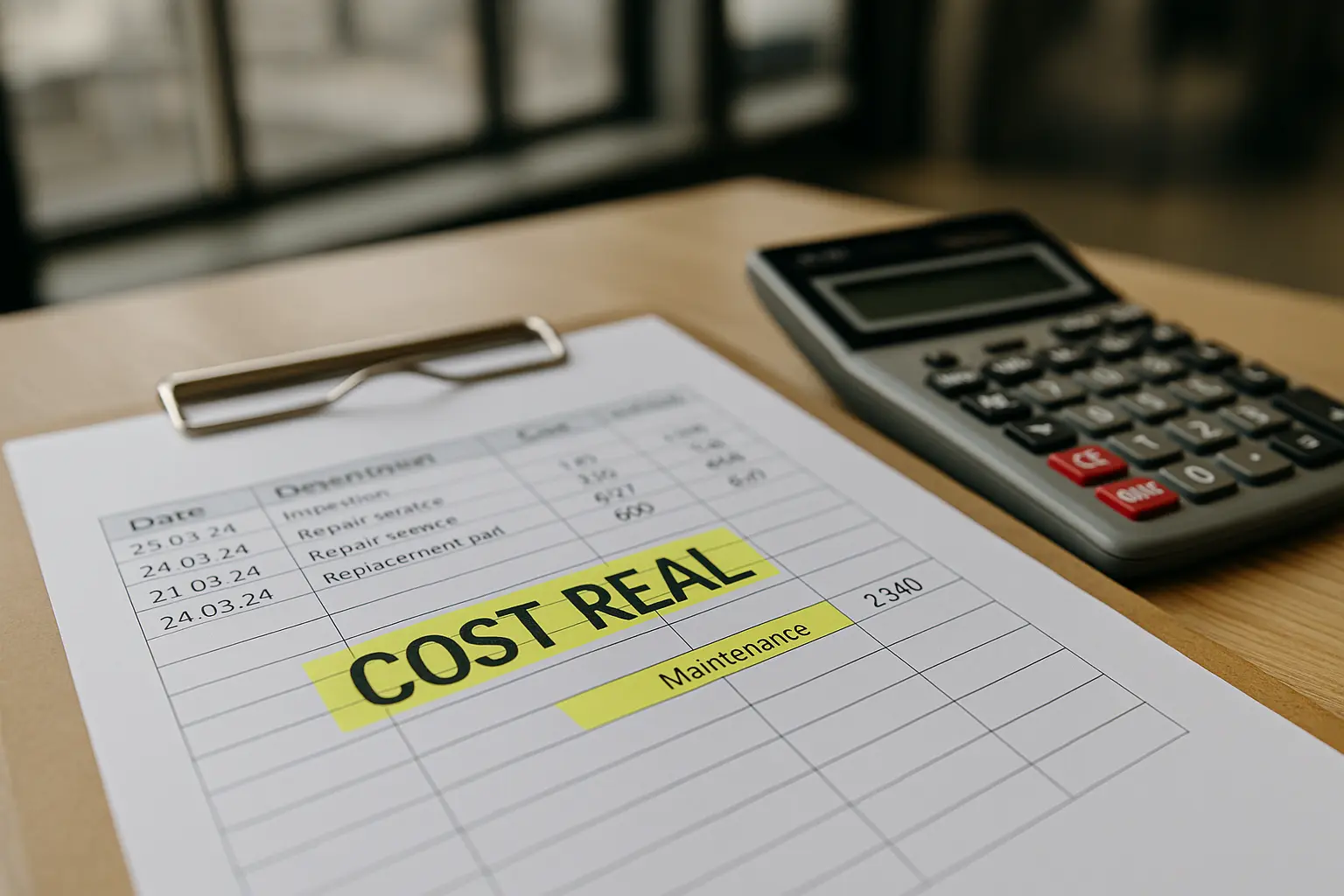
When selecting components for residential or industrial projects, the temptation to compare products solely based on price is still common in many technical decisions. Yet what may seem like an immediate advantage often turns into a hidden cost—seen in repeated interventions, lost time, and sometimes even risks that compromise the performance of the entire system.
What determines real-life durability
The actual lifespan of a component isn’t always reflected in the specifications. It depends on the quality of materials, strict manufacturing controls, and the product’s ability to perform consistently under real-world operating conditions. Products selected only for their low price often conceal compromises that aren’t visible at first glance—but become painfully obvious at the worst possible time. Premature failure, erratic performance, or lack of fast maintenance options all lead to unexpected costs that far outweigh the initial price savings.
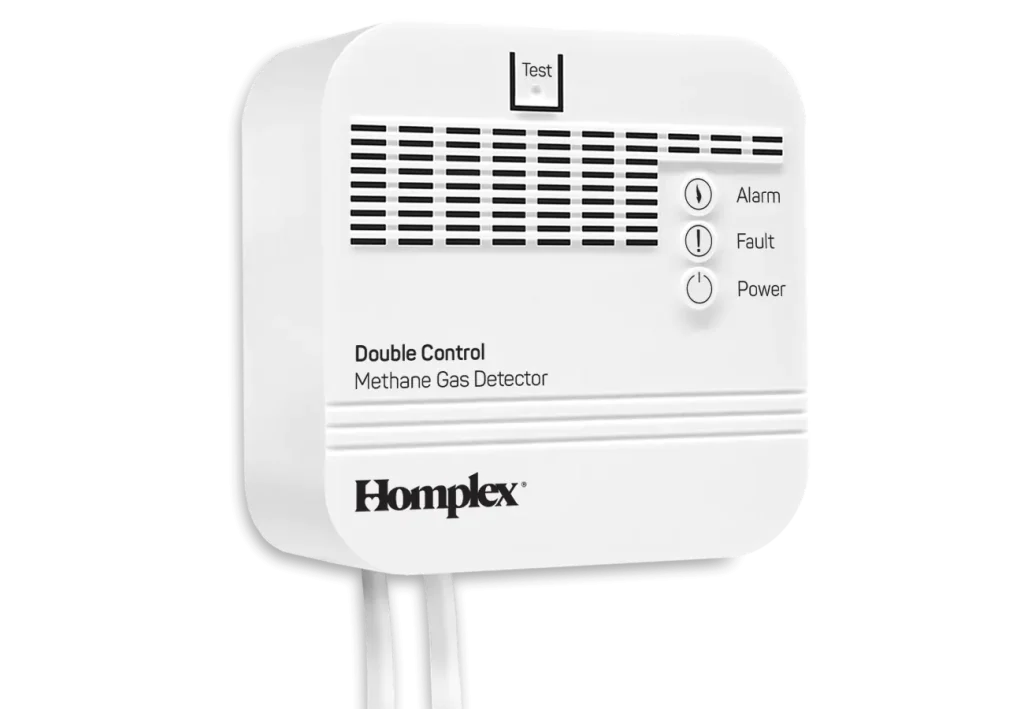
One clear example is the Homplex gas detectors, which are individually tested before packaging to ensure proper performance in real conditions. By contrast, some market alternatives may leave the factory without final functional testing—dramatically increasing the risk of early failure.
Also worth noting is the lack of operational predictability. When a component cannot be smoothly integrated into an existing system or shows technical incompatibilities, the entire installation or operating process becomes more complex. A non-standardized product or one that requires improvised workarounds adds technical vulnerability and weakens the reliability of the entire solution.
Same category, different behavior
A pattern observed in many projects: two visually similar products can behave entirely differently just months after installation. While one operates flawlessly, the other might require constant checks—or even replacement. These differences lie not in outer design but in what’s inside: quality of contacts, electronic protections, production tolerances, real-world testing.
Additionally, poor-quality products can create chain reactions. For example, a gas detector that reacts incorrectly or triggers false alarms undermines trust in the system, sometimes leading users to deactivate it entirely. In safety-critical areas, such human reactions can compromise the entire protective architecture of a building.
The Homplex perspective: reliability as standard, not a feature
Homplex has built extensive experience in designing and implementing technical solutions tailored to field requirements. That experience shows that reliability is not a luxury—it’s a necessity, especially in critical infrastructure and long-term systems. A well-engineered product not only reduces the risk of service disruption but actively contributes to easier maintenance and more stable technical budgets.
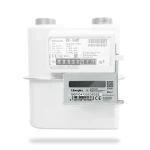
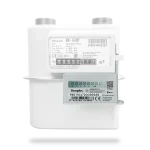
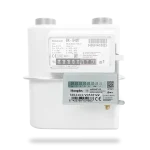
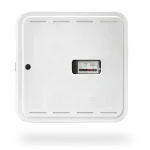
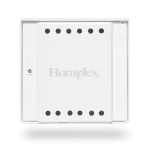
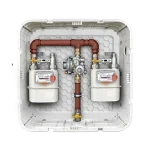
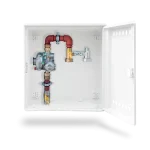
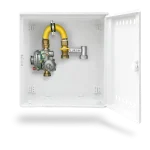
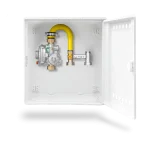
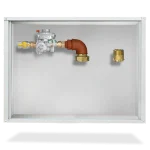
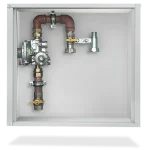
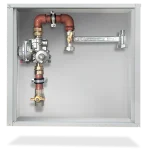
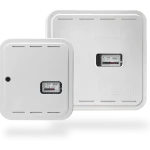
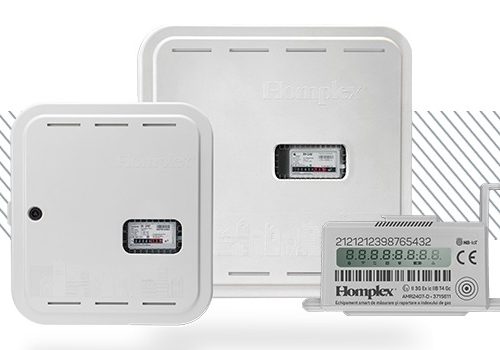
Whether it’s Homplex’s composite meter boxes—tested for mechanical durability and UV resistance—or our smart metering solution, designed as a scalable and affordable alternative to rigid, complex systems, the focus remains on reliability and adaptability. These solutions are constantly refined based on feedback from field partners—installers, planners, and network operators.
This approach influences every stage, from material selection and quality control during production, to the willingness to adapt a product based on real-world input. The ability to respond quickly to professional needs is one of the key differentiators for Homplex, especially in an environment where operational rigidity becomes an obstacle.
Efficient maintenance, real savings
One often overlooked aspect is ease of maintenance. A component that allows quick intervention—without special tools or disassembly—saves both time and resources. Clear documentation, available technical support, and easy access to product information all contribute to long-term operational efficiency.
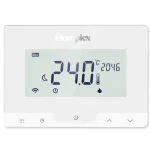
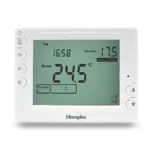
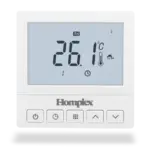
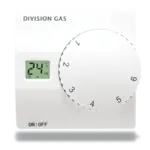
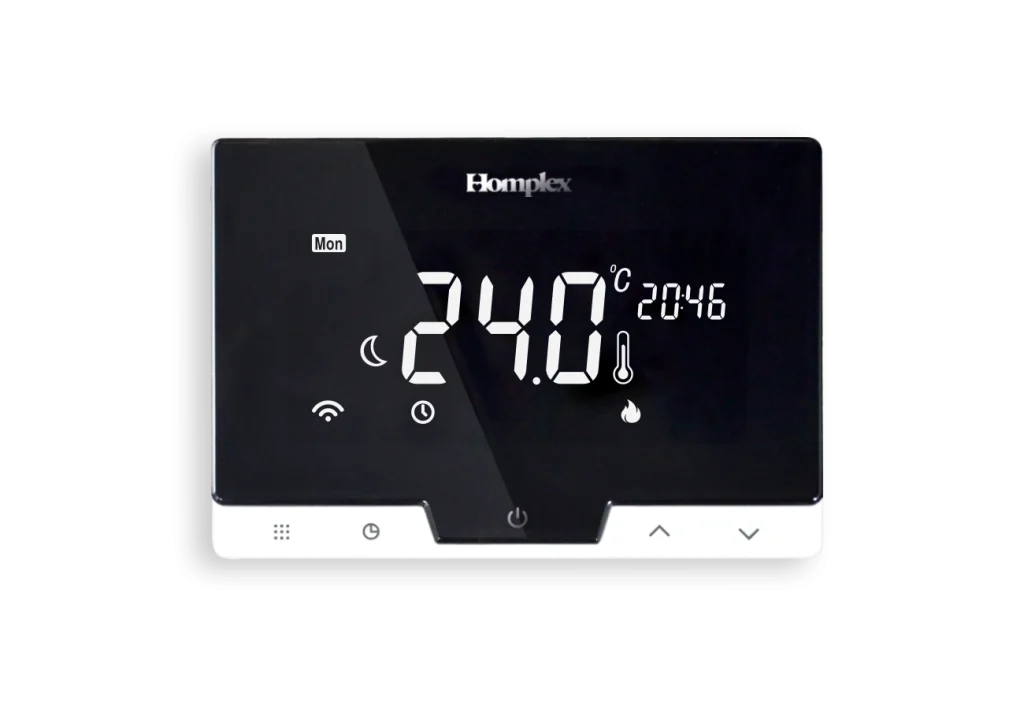
A good example is the Homplex HD100 Double Control gas detector, which works with both 12V and 230V valves. This flexibility significantly reduces intervention time and the number of site visits. Similarly, thermostats with intuitive interfaces and simple programming ease the pressure on support teams after installation.
Standardized solutions and compatibility with existing equipment also reduce the need for specialized labor or costly adjustments. In large-scale projects, these small details can be the difference between smooth operations and critical bottlenecks.
Practical durability tailored to the market
Homplex products are developed based on a philosophy of practical durability. They are designed to function reliably in various systems, to integrate easily into existing infrastructure, and to adapt to real market needs. This approach doesn’t just focus on product performance—it ensures the stability of the entire ecosystem into which the product is deployed.
Durability means more than a long product life. It also means preserving performance and reliability over time. In a technical environment that is constantly evolving, solutions that can quickly adapt to current demands become an important differentiator—especially in industries with increasingly strict safety and compliance standards.
Real value is measured over time
In conclusion, when evaluating a technical product, it’s important to go beyond the purchase price. The total cost of ownership—including maintenance, intervention time, equipment compatibility, and actual lifespan—offers a far more accurate picture of real value. Choosing a reliable solution is not just a smart economic decision—it’s a mark of professionalism and technical responsibility.
In a market where the difference between a successful project and a problematic one can come down to a single component, selecting tested, stable, and well-documented solutions—like those provided by Homplex—becomes the natural choice. Reliability is not a luxury. It’s essential. And the real cost doesn’t show up on the receipt—it shows in the peace of mind that comes with a job well done.


No Comments yet!