












































In recent years, the conversation around utility infrastructure digitalization has shifted from ambitious plans to real-world implementation. Whether we’re talking about gas, water, or energy networks, the demands placed on operators have grown significantly—expectations around data accuracy, reporting frequency, and response time are higher than ever.
In this context, choosing a smart metering solution isn’t about picking from a product catalogue. It’s about understanding what makes a system truly efficient, reliable, and scalable. The three questions below can serve as a compass in the decision-making process.
Is the solution compatible with your existing infrastructure?
Very few projects start from scratch. In most cases, the chosen solution must integrate with an already functioning network—one that comes with its own limitations, whether in terms of space, meter types, radio signal availability, or access to power.
An effective smart metering system shouldn’t require major restructuring. It should offer implementation flexibility across various environments: underground technical rooms with weak signal, mechanical or digital meters from different generations, or areas without constant electricity.
Without this adaptability, the so-called “smart solution” can quickly become a logistical obstacle instead of a step forward.
What communication technology does it rely on—and how does it handle field challenges?
Automated data transmission is the backbone of any smart metering system. But not all communication protocols perform equally well in real-life conditions.
Radiofrequency (RF), LoRaWAN, NB-IoT, or mesh networks—each has its strengths and limitations. The key is understanding how much autonomy the devices offer, how they behave in challenging environments (thick walls, long distances, basement rooms), and whether the data is transmitted in real time, stored locally, or sent in batches.
The right technology isn’t necessarily the newest or most advanced. It’s the one that performs reliably in your specific field conditions.
What does real technical support look like—beyond brochures and promises?
A smart metering system is not just about installation and activation. The critical phase begins afterward—when integration questions arise, when updates are needed, or when the field team changes.
It’s worth asking:
• Who provides support, and how fast do they respond?
• Can you access clear datasheets, tutorials, and documentation tailored to your project?
• Is there openness to customization or adjustment based on feedback?
• How are firmware and software updates handled?
This is where the line is drawn between a product supplier and a true solution partner.
Beyond sophistication: what actually works
Many solutions on the market promise “complete automation” or “full real-time visibility.” But field reality demands fast deployment, compatibility with mixed environments, reliable and accessible support, and robust equipment with stable signal and long battery life.
That’s why the best solution isn’t necessarily the most high-tech—it’s the one that understands field conditions and delivers what it promises.
Solutions that stand the test of time are those designed in collaboration with field teams, tested under real operating conditions, and supported well beyond the installation phase.
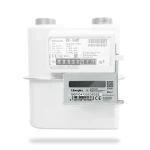
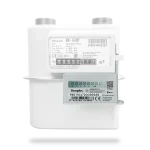
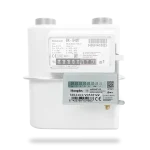
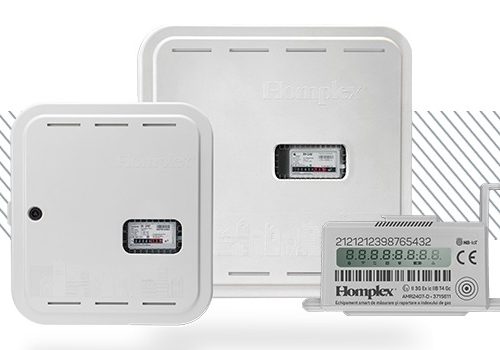
This is the principle behind the smart metering system developed by Homplex: modular, easy to install, compatible with most meters, secure in transmission, and intuitive to monitor via a user-friendly interface.
In the end, it’s not about the most sophisticated system. It’s about one that works—simply, reliably, every time.


No Comments yet!